
Curious about how to attract more local customers? Understanding Local SEO could be the game-changer your business needs. From getting found on Google Maps to standing out in local searches, Local SEO is all about connecting with potential customers right in your area. But what exactly is it, and why does it matter so much? Dive into this guide to unlock the power of Local SEO for your business.
Boost your visibility—Explore local SEO services in New York today! 📈
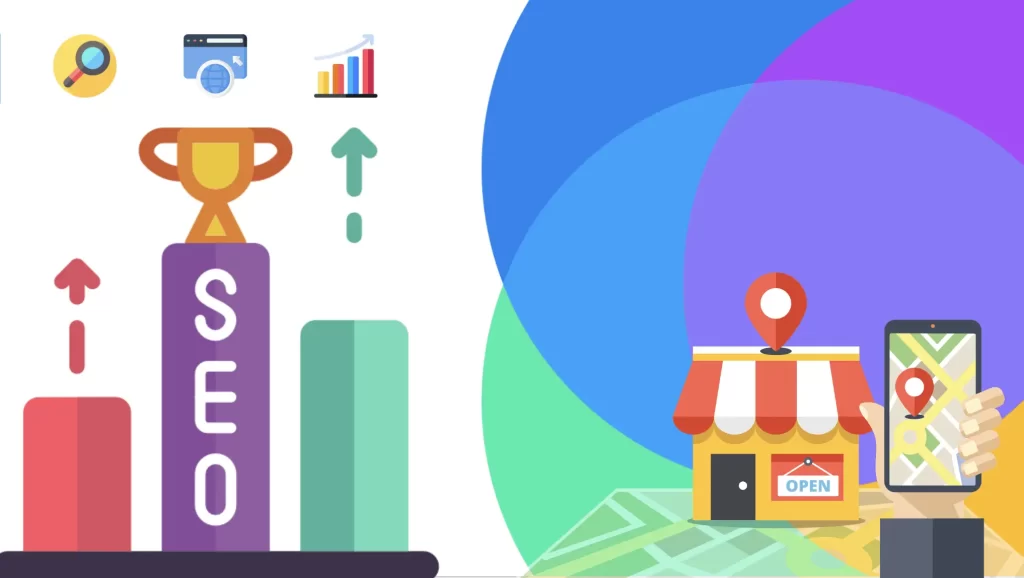
What Is Local SEO Marketing?
Local SEO is a set of strategies that helps local businesses appear more prominently in location-based search results on Google Search, Google Maps, and other search engines. It’s designed to improve visibility for businesses with physical locations or local service areas by making sure they rank higher in relevant, unpaid search results.
Unlike general search results, which are customized based on the user’s country, local SEO narrows in on specific cities, neighborhoods, and even districts. This makes it especially useful for businesses with physical stores—like restaurants, mechanics, and dentists—as well as local service providers such as plumbers, tutors, or dog walkers.
What Is the Difference Between Local and Organic SEO?
Local SEO and Organic SEO are both essential components of digital marketing, but they serve different purposes and target unique aspects of online visibility. These differences are essential for businesses aiming to maximize their reach and effectiveness in search engine results.
Local SEO vs. Organic SEO
- Local SEO: While based on the principles of Organic SEO, has a geographic focus. It’s designed to boost the online presence of local businesses in location-based searches, ensuring that they rank higher in results when users search for specific services or stores nearby. This approach is highly beneficial for local stores, restaurants, and service providers, but less relevant for general websites or blogs without a physical location.
- Organic SEO: Focuses on improving a website’s ranking in general search results. It’s a natural, non-paid approach to make a website more visible on search engines like Google, Bing, and Yahoo. Organic SEO can benefit various types of websites, from business and e-commerce sites to blogs and news outlets, by enhancing their visibility across a broad audience.
Local SEO for Small Businesses
For small businesses with a local customer base, local SEO is essential to attracting more foot traffic, boosting website visits, and staying competitive in the community. With more people using mobile devices and advanced voice search features to find nearby products and services, focusing on local SEO has become crucial.
- Faster ROI: 40% of local SEO campaigns achieve a 500% or higher return on investment.
- Mobile Searches: 82% of people use phones for “near me” searches, showing strong demand for local results.
- Local Search Demand: 46% of Google searches are related to local businesses or services.
- “Near Me” Growth: Searches containing “near me” have surged by 136% in the past year.
- Essential for Visibility: With 97% of users searching online for local businesses, small businesses can’t afford to ignore local SEO to remain visible to their target audience.
Local SEO ensures small businesses capitalize on these trends to maximize reach and relevance in their community.
What Is SEO Localization and How It Helps Your Business
SEO localization is the process of optimizing a website’s searchability in the target language for specific regions, which helps businesses increase their reach across different countries. Simply translating a website’s content isn’t enough; localization involves using region-specific keywords to ensure the website ranks well in local search results.
Benefits of SEO Localization
- Targeting Local Customers: Localized SEO uses region-specific keywords and terminology to connect with customers based on their local search habits, driving relevant traffic to your site.
- Enhancing Local User Experience: Using local language and culturally relevant keywords improves the user experience by lowering bounce rates and keeping visitors engaged, likely leading to higher conversions.
- Building Credibility and International Growth: Ranking well in local search results helps build credibility with local customers, which boosts brand reputation and Domain Authority. This localized approach not only strengthens trust but also sets a foundation for reaching larger international markets.