
What Features Should a Medical or Dental Website Include? It seems like a simple question—until you realize how many critical elements are often overlooked. The difference between a site that attracts patients and one that loses them often comes down to a few key features. But which ones actually matter most, and why do some websites convert while others don’t?
TL;DR
A medical or dental website improves patient experience by integrating digital tools like online booking, telemedicine, and secure portals that streamline access and communication. Clear navigation, accessible information, and responsive design enhance usability and trust. Features such as digital forms, automated reminders, and professional service presentation optimize operations while helping patients make informed decisions more easily.
Optimize medical websites through in New York web designer medical business
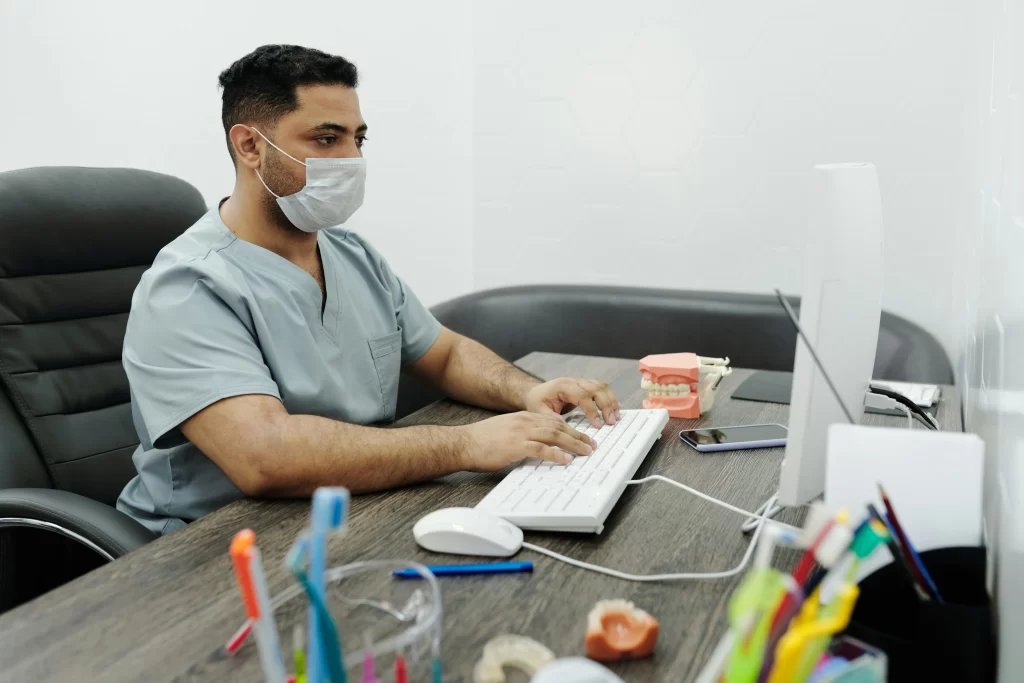
How can a Website Improve Patient Experience for Clinics?
A medical website improves patient experience by integrating digital tools that simplify access and communication. Features like online scheduling, telemedicine, and access to clinical information reduce friction and make the process faster and more convenient.
Automation through reminders and clear provider profiles allows patients to make informed decisions. This strengthens trust, improves organization, and reduces issues such as missed appointments or late cancellations.
These digital solutions enhance both patient experience and internal operations. By reducing administrative tasks, staff can focus on delivering more efficient and personalized care.
Providing Easy Navigation and Accessible Information
An effective medical or dental website improves patient experience through clear navigation and quick access to information. Intuitive menus, visible contact details, and responsive design help users find what they need without effort.
Elements for Effective Navigation and Accessibility
- Clear and Intuitive Navigation: Organized structure that helps users quickly find services, hours, and location.
- Online Appointment Scheduling: Allows booking appointments on any device, improving convenience and reducing friction.
- Professional and Transparent Information: Clear service descriptions, team profiles, and testimonials reinforce credibility.
- Web Accessibility Standards: Alt tags, proper contrast, and accessible elements support users with disabilities.
- Mobile-Responsive Design: Ensures optimal experience on smartphones and tablets.
- Local SEO Optimization: Improves visibility in local searches and maps.
Modern structures and tools like templates and AI-based solutions allow efficient implementation of these features. This improves site management and strengthens digital presence, increasing patient trust and attraction.
Offering Online Appointment Booking and Forms
Integrating online booking systems and digital forms allows patients to manage their care remotely and efficiently. These tools support scheduling, confirmations, and medical data collection before visits, improving organization and reducing time at the clinic.
Features of Online Booking Systems
- 24/7 Online Appointment Scheduling: Patients can select date and time directly through the website or portal.
- Digital Patient Forms: Users can complete personal data, medical history, and insurance details before visits.
- Automatic Confirmation Systems: Appointment confirmations are sent via email, text, or messaging platforms.
- Specialty and Provider Selection: Patients can choose specialties and providers with real-time availability.
These systems improve patient experience and operational efficiency. Automating administrative tasks streamlines workflows and allows staff to focus on delivering better care.
Displaying Services and Staff Clearly
A medical or dental website should present services and staff clearly to support patient decision-making. Intuitive menus, professional images, and detailed descriptions communicate trust and transparency from the first interaction.
| Element | Function | Benefit |
| Organized services | Easier navigation | Better understanding |
| Clear descriptions | Inform patients | Greater trust |
| Multimedia | Show procedures | More credibility |
| Team profiles | Humanize brand | Stronger connection |
| Specialization | Guide decisions | Better experience |
Presenting services and staff in a structured way improves clarity, trust, and overall user experience. It helps patients find relevant information quickly and make decisions with confidence.
Integrating Secure Patient Portals and Communication
Secure patient portals centralize information management and communication in a protected environment. These platforms provide continuous access to services while protecting data through encryption and two-factor authentication (2FA).
Benefits of Secure Patient Portal Integration
- 24/7 Patient Access: Patients can manage appointments, view records, and check results anytime.
- Secure Communication Channels: Encrypted messaging ensures confidentiality and privacy compliance.
- Operational Efficiency: Automates billing and consent processes, reducing administrative workload.
Secure portals improve patient experience through fast access and reliable communication while strengthening data protection and operational efficiency.
Enhancing Visual Design and Mobile Compatibility
A medical or dental website should deliver a clean visual design and a mobile-optimized experience. A user-focused approach with intuitive navigation and visible action buttons supports interaction and improves conversions.
Responsive design and fast loading speed ensure proper performance across devices. Clear CTAs and visible contact details allow users to take action immediately.
Accessible and inclusive design, combined with high-quality visuals, strengthens patient trust. Modern technologies support efficient and competitive digital experiences.
Key Takeaways
- Digital tools enhance patient experience and efficiency: Online booking, telemedicine, and patient access tools reduce friction and improve communication. They streamline processes and allow staff to focus more on patient care.
- Clear navigation and accessibility build trust and usability: Intuitive menus, visible contact info, and responsive design help users find information quickly. Accessibility features and SEO improve reach and usability.
- Online booking and digital forms optimize workflows: Digital scheduling and forms simplify appointments and data collection. Automated confirmations reduce no-shows and improve organization.
- Clear presentation of services and staff increases confidence: Organized services, detailed descriptions, and team profiles improve clarity and trust. This helps patients make informed decisions.
- Secure portals and strong design improve trust and conversions: Secure portals protect data and enable communication, while clean design and mobile optimization enhance usability. This supports higher patient engagement.
FAQs
What should a medical website include?
A medical website should include clear navigation, professional visuals, clinical content, online appointment scheduling, patient portal access, and digital forms. It should also display accepted insurance and essential contact information to support patient engagement and trust.
What are the 7 C’s of a website?
The 7 C’s of website design are Creativity, Consistency, Clarity, Content, Continuity, Compatibility, and Customization. These elements guide the structure, usability, and overall user experience of a website.
What features should a good website have?
A good website should be fast, mobile-responsive, secure, and easy to navigate. It must include high-quality content, clear calls to action, and a clean design that helps users quickly find information and take action.
What is the rule of 7 in dentistry?
The rule of 7 in dentistry suggests that children should have their first dental visit by age 7 and have lost their primary teeth by that stage. This guideline supports early detection and the development of healthy oral habits.